Does My Policy Cover a Car I Borrow While Traveling
Most policies follow you into a borrowed car, but how much they cover and who pays first depends on your insurer and the owner's policy.
Usually yes, with conditions
If you borrow a car while traveling, your own policy typically extends to you as a driver, but the owner's insurance is usually the first one to respond. Your policy often fills in behind it, covering what the owner's policy doesn't.
This depends on your insurer's specific rules about permissive use, so it's worth asking before you travel rather than after something happens. It also depends on whether the owner gave you clear permission to drive the car, since coverage for an unauthorized driver works differently.
Whose policy pays first
When you borrow a car, the owner's insurance is normally primary. That means their policy pays out first for damage or injury, up to their limits.
Your own policy can act as secondary coverage, stepping in if the damage or claim costs more than the owner's policy covers. This is why it matters to know the owner's coverage limits before you borrow their car for a long trip.
If the owner's policy has low limits or they let their coverage lapse, you could be more exposed than you expect. Ask the owner directly what their liability limits are, especially if you're planning to drive their car across state lines or for an extended period.
Some insurers also ask how often and for how long you'll be driving a borrowed car. If it becomes a regular arrangement rather than an occasional favor, that can change how your insurer treats the situation entirely.
What your insurer considers permissive use
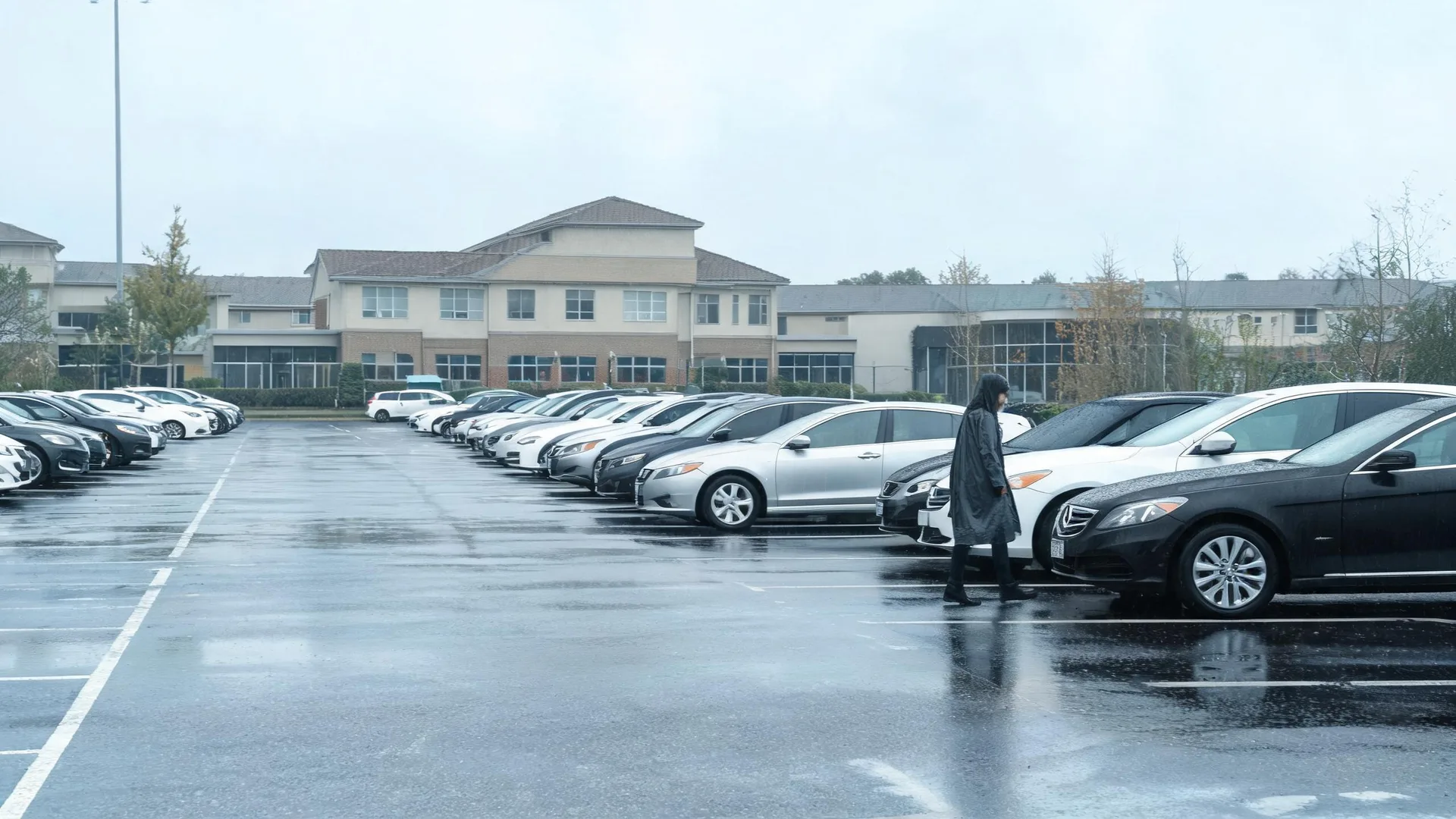
Insurers use the term permissive use to describe someone driving a car with the owner's consent. Most policies extend some coverage to permissive users, but the details vary by insurer and by state.
If the owner didn't explicitly agree to let you drive, or if there's a dispute about whether permission was given, your coverage could be denied. A clear, direct conversation with the owner before you drive is worth more than an assumption.
Rental cars and borrowed cars aren't treated the same way by every insurer. If the car you're borrowing is a rental that someone else rented, call your insurer and ask specifically how that scenario is handled, since it can differ from a simple favor between friends or family.
Your driving record also factors in. If your own policy has exclusions or if you have a lapse in coverage, borrowing someone else's car doesn't erase that history. Ask your insurer directly what happens if you're at fault while driving a car that isn't yours.
Questions people ask about this
What happens if I get in an accident in a borrowed car?
The owner's insurance typically pays first, and your policy may cover what's left if the costs exceed their limits. Call both insurers to report the accident, since which one handles the claim depends on the circumstances and the policies involved.
Does borrowing a car affect my own insurance rates?
An at-fault accident while driving a borrowed car can affect your rates the same way an accident in your own car would. Ask your insurer whether claims involving borrowed vehicles are treated differently before you assume otherwise.
Can I drive someone else's car without being on their policy?
In most cases, yes, as long as the owner gives permission and you're not driving it regularly. If the arrangement becomes routine, the owner's insurer may expect you to be listed, so it's worth asking their insurer directly.
What if the car I borrow is registered in another state?
Coverage generally follows the car and its policy regardless of which state you're driving in, but state rules on minimum coverage and liability can differ. Check with the owner's insurer if you're planning to drive their car across state lines.
Does my policy cover a rental car the same way it covers a borrowed car?
Not necessarily, since rental cars often come with their own optional coverage and insurers may treat them differently from a personal vehicle borrowed from a friend. Ask your insurer directly how your policy treats rental cars before you decline or accept the rental company's coverage.
See what other drivers in your situation are paying before you borrow that car.
Before you borrow a car for your trip, ask the owner what their liability limits are and get it in writing or in a text if you can. Call your own insurer and ask how your policy treats permissive use and secondary coverage, since this varies by insurer. If the car is a rental, ask specifically how that's handled, since it's not always the same as a personal loan. Keep the owner's insurance information with you during the trip in case you need it. If anything about the arrangement feels uncertain, a short phone call before you drive is worth far more than guessing after an accident.