How to Choose the Right Rental Car Size
The right size depends on how many people and bags you're carrying, not on what looks impressive on the lot.
Pick the size that matches your trip, not the upgrade offer
Start with what you'll actually carry. Count the people, count the bags, and add anything bulky like golf clubs or a wheelchair. A midsize sedan holds two people and luggage comfortably. A full size or SUV earns its keep once you have three or more people, or bags that don't fit in a trunk.
The other thing to weigh is where you'll drive and park. A larger vehicle is harder to park in a city garage or a tight hotel lot, and it costs more to fill up. If your trip is mostly highway driving between a few people, a smaller car does the job and costs less at the counter and at the pump.
How many people and how much you're carrying
This is the first thing to settle, because it rules out entire categories before you even look at price. A compact or midsize sedan seats four, but the trunk fills up fast once everyone has a suitcase. If you're traveling with three or more adults and real luggage, look at a full size sedan or a small SUV instead.
Car seats change this math. A rear facing car seat takes up more room than people expect, and two of them in a back seat can make a compact car genuinely uncomfortable for whoever sits between them. If you're renting with car seats already installed, ask the counter agent to confirm the back seat width before you drive off, not after.
Bulky gear matters too. Skis, golf clubs, a stroller, or a wheelchair all take up trunk space that doesn't show up when you're just thinking about passenger count. If you're not sure something will fit, most rental companies list cargo dimensions on their website, and it's worth checking before you commit to a smaller class.
Where you'll drive and where you'll park
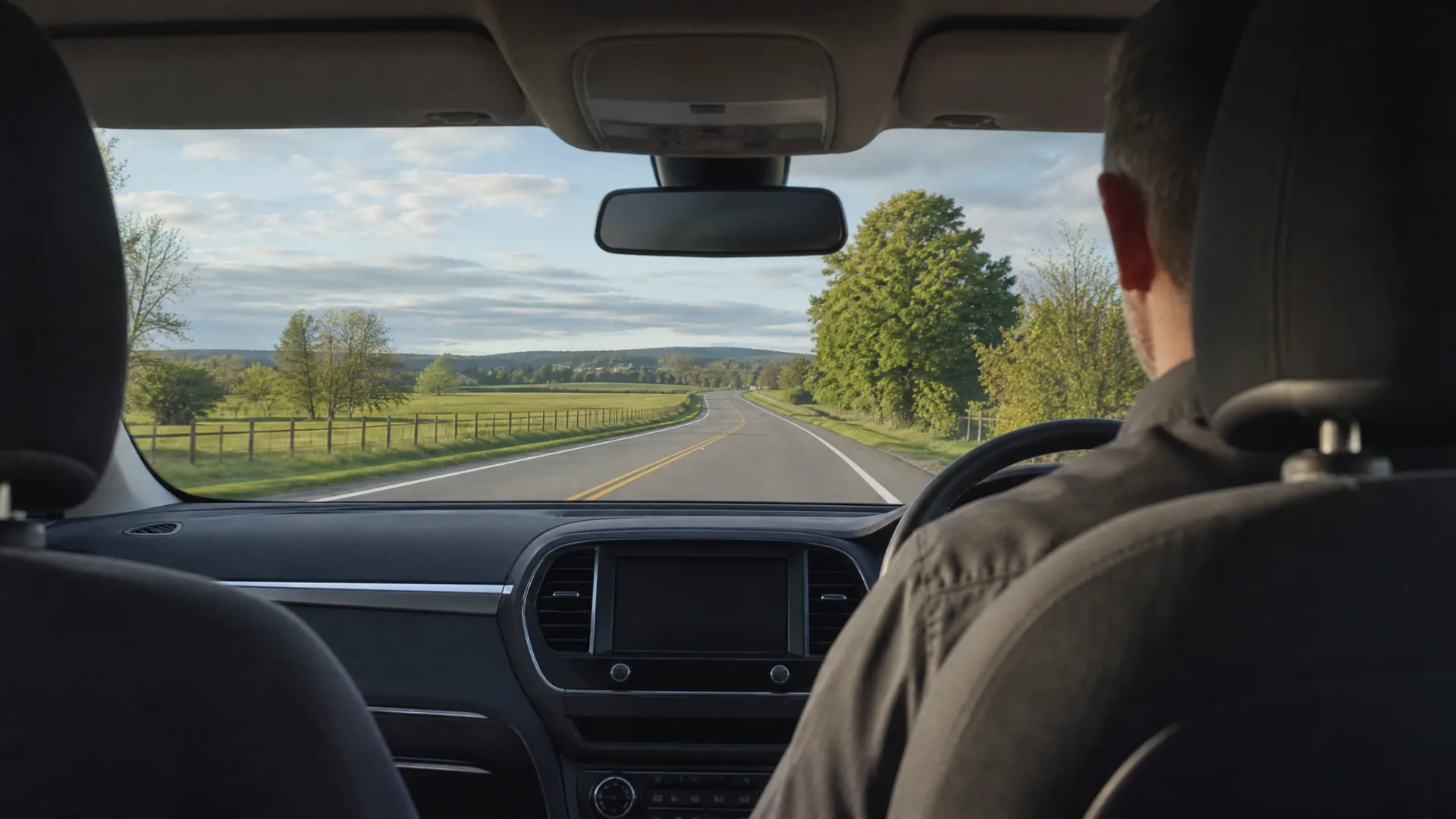
A bigger car isn't automatically a safer or easier choice. In a city with narrow streets, tight parking garages, or valet-only hotels, a full size SUV can turn every stop into a hassle. If most of your trip is urban, a compact or midsize car is often the more comfortable choice, not the smaller sacrifice.
Fuel cost is part of this too. Larger vehicles and SUVs use more gas, and if you're covering long highway distances, that adds up over the length of a rental. If your trip is mostly city driving with short hops, the fuel difference matters less.
What most people get wrong is sizing for the one day they'll need extra room, like an airport pickup with five people, and then driving a car that size for the rest of a week alone. If only one day needs the bigger vehicle, it's often cheaper to rent the smaller size and book a larger vehicle or a second car for that single day.
Questions people ask about this
Does a bigger rental car cost more to insure?
Not through your personal auto policy. If your own insurance extends to rental cars, it typically follows the same coverage and limits you have on your own vehicle, regardless of the rental's size. If you're buying coverage through the rental counter instead, ask the agent directly, since some companies price their protection products by vehicle class.
Can I upgrade to a bigger car after I pick it up?
This depends on the rental company's policy and what's available at the counter that day. Some companies allow a same-day upgrade for an additional cost if a larger vehicle is on the lot. If you think you might need more room, it's worth asking when you pick up the car rather than assuming you can switch later.
Is an SUV safer than a sedan for a road trip?
Size alone doesn't determine safety. Vehicle safety depends on the specific model, its safety features, and how it's driven, not just its class. If safety is your main concern, look up the crash test ratings for the specific vehicle you're offered rather than assuming a larger vehicle is automatically safer.
Will a rental SUV fit in a standard parking garage?
Most SUVs fit in standard parking garages, but height matters more than people expect. Some garages, especially older ones or those under buildings, have clearance limits that a taller SUV can't clear. If you're parking somewhere with a listed height restriction, check the rental vehicle's height against it before you go.
Do I need a bigger car if I'm driving in snow or bad weather?
Size doesn't determine how a car handles snow or ice, traction does. A smaller all wheel drive vehicle often handles winter roads better than a larger two wheel drive SUV. If you're renting for winter driving, ask the counter what drivetrain the vehicle has rather than choosing based on size alone.
Once you know the size you need, compare what it actually costs to insure before you reserve it.
Before you reserve, write down exactly how many people and bags you're carrying, including anything bulky like car seats or sports equipment. Check the trunk or cargo dimensions listed on the rental company's site against that list. If your trip has one day that needs more room than the rest, look at renting the smaller size and adding a larger vehicle just for that day. Call your own insurer or check your policy to see whether your coverage extends to rental cars, so you know what you're covered for before you're standing at the counter deciding on their insurance add-on.