Is It Safe to Drive in Mexico as a Senior
Age alone doesn't make driving in Mexico unsafe. Your health, your vehicle, and your insurance matter more than the number on your license.
Yes, for most older drivers who plan ahead
Driving in Mexico is safe for seniors in the same way it's safe for any driver: it depends on your health, your vehicle, and whether you've prepared for how different the roads and rules are from home. There's no age limit on driving in Mexico, and no special test or restriction that applies just because you're older.
What matters is whether you can handle long stretches behind the wheel, whether your car is in good shape for the trip, and whether you have the right insurance. Mexican auto insurance is required and separate from your US policy, so that piece needs attention regardless of your age.
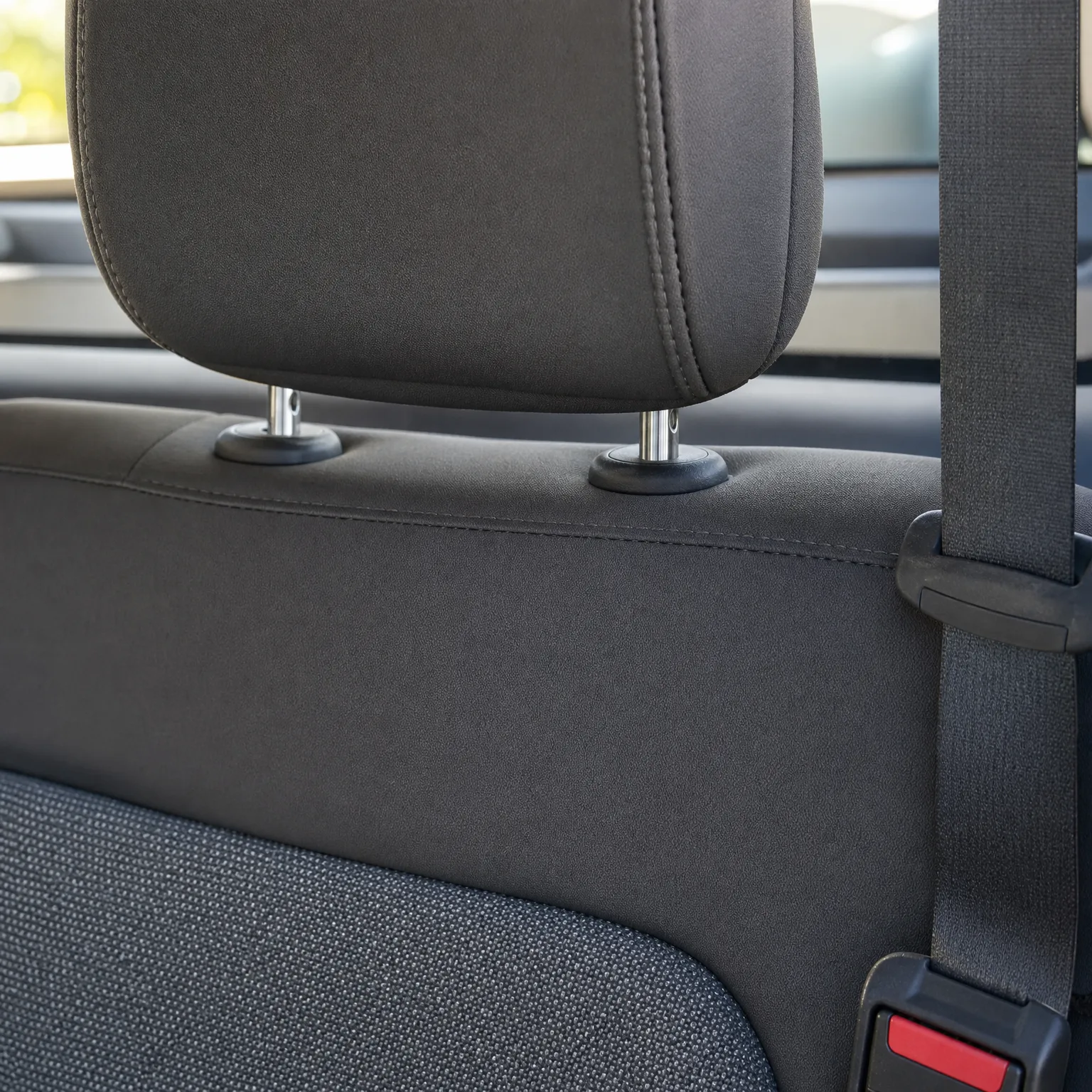
Your health and how you plan the drive
Long drives mean long hours of concentration, heat, and sometimes high altitude, especially in central Mexico. If you have a condition that affects your vision, your reflexes, or your stamina, that matters more on unfamiliar roads than it does on a familiar commute.
Breaking the trip into shorter days helps. Driving during daylight helps more. Many of the risks associated with driving in Mexico, like poor lighting, livestock on rural roads, and unmarked topes, are worse at night and easier to manage when you're not rushing to cover distance.
If you take medication that causes drowsiness or affects your reaction time, talk to your doctor before a long drive, the same way you would before any trip. This isn't specific to Mexico, but it matters more on roads you don't know.
Bring your glasses, your medications, and copies of your prescriptions. If something needs replacing on the road, having the information with you saves time.
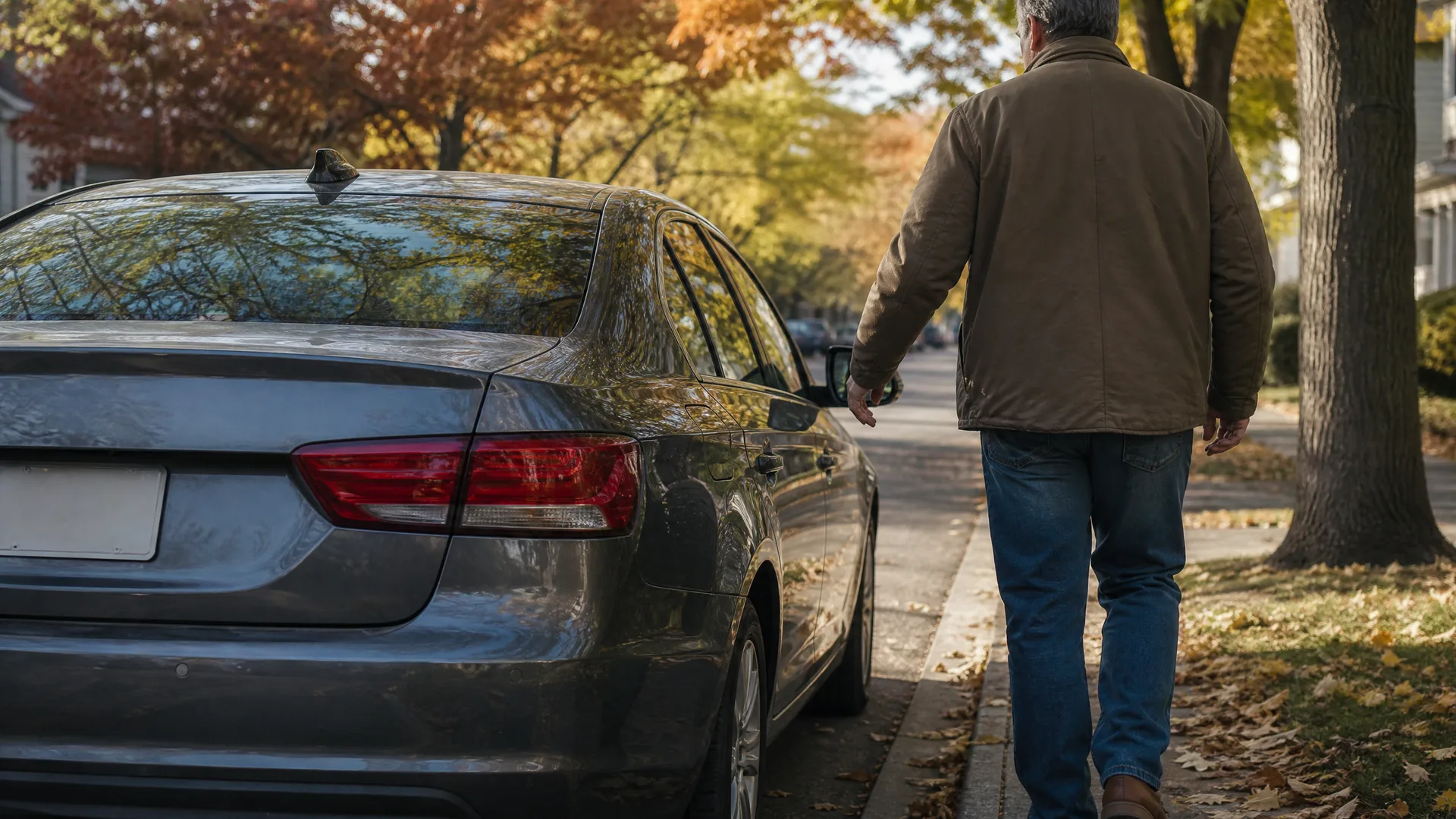
Your car and your insurance
Your US auto insurance generally doesn't cover you in Mexico. You need a Mexican auto insurance policy, bought separately, before you cross the border. Without it, you're not just uninsured, you can face serious legal trouble if you're in an accident, since Mexico handles accident liability differently than most US states.
Have your car inspected before a long trip. Tires, brakes, and fluids matter more on Mexican highways, where shoulders can be narrow and services farther apart than you're used to.
Check what your Mexican auto policy covers before you go. Ask specifically about roadside assistance and medical payments coverage, since what's included varies by insurer.
Keep your US insurer's contact information with you too. If you're renewing or shopping for a policy before the trip, ask whether they have any guidance for driving in Mexico, even if they won't cover you there directly.
Questions people ask about this
Do I need an international driver's license to drive in Mexico?
No, a valid US driver's license is accepted in Mexico. An international driving permit isn't required, though some travelers carry one as an extra form of ID. Check with your auto insurer about what documentation they want on file before you cross the border.
What happens if I'm in a car accident in Mexico?
You'll need to show proof of Mexican auto insurance, which is why having it before you drive matters so much. Mexican authorities can detain drivers without valid insurance after an accident, even if the accident wasn't their fault. Your Mexican policy should include details on who to call and what to do at the scene.
Is it safe to drive at night in Mexico?
Most guidance, regardless of the driver's age, recommends avoiding night driving in Mexico when possible. Roads can be poorly lit, animals wander onto highways, and some hazards like potholes or topes are harder to see. Planning routes to arrive before dark reduces risk for any driver.
Will my US car insurance cover a rental car in Mexico?
This depends on your policy and your insurer, so check before you go rather than assuming. Many US policies exclude coverage in Mexico entirely, including for rental cars, which is why a separate Mexican policy is usually needed either way.
Are there parts of Mexico that are safer to drive in than others?
Road conditions and safety vary a lot by region, and that's true for drivers of any age. Toll roads, called cuotas, are generally better maintained and considered safer than free roads, called libres. Checking current conditions and any travel advisories for your specific route before you go is worth the time.
If a renewal or a trip has you thinking about your coverage, it's worth seeing what else is out there.
Before you drive to Mexico, get a Mexican auto insurance policy in place, since your US policy almost certainly won't cover you there. Have your car inspected for the trip, and pack your glasses, medications, and prescription copies if you take any. Plan your route with daylight driving in mind and consider breaking up long stretches into shorter days. If you're due for a US policy renewal, ask your insurer what they can tell you about coverage while traveling abroad, even if the real coverage comes from a separate Mexican policy. A little planning now means fewer surprises on the road.