Tips for Driving on the Left Side of the Road
Driving on the left takes deliberate attention for the first few days, and the moments that catch people out are the quiet ones, like leaving a parking lot or an empty roundabout.
Slow down and give yourself longer than you think you need
The real adjustment isn't the driving itself, it's that your instincts are built for the other side. Your hands reach for the wrong side of the car, your eyes check the wrong mirror first, and at a junction your body wants to pull into the wrong lane. None of that goes away by understanding it. It goes away by doing it slowly enough, for long enough, that the new pattern starts to take over.
The risk is highest in the situations where habit does the most work and thinking does the least, like pulling out of a driveway, turning after a stop, or driving on an empty road with nothing to correct you. Give yourself more time in the car before you're in traffic, and treat the first days as practice, not transportation.
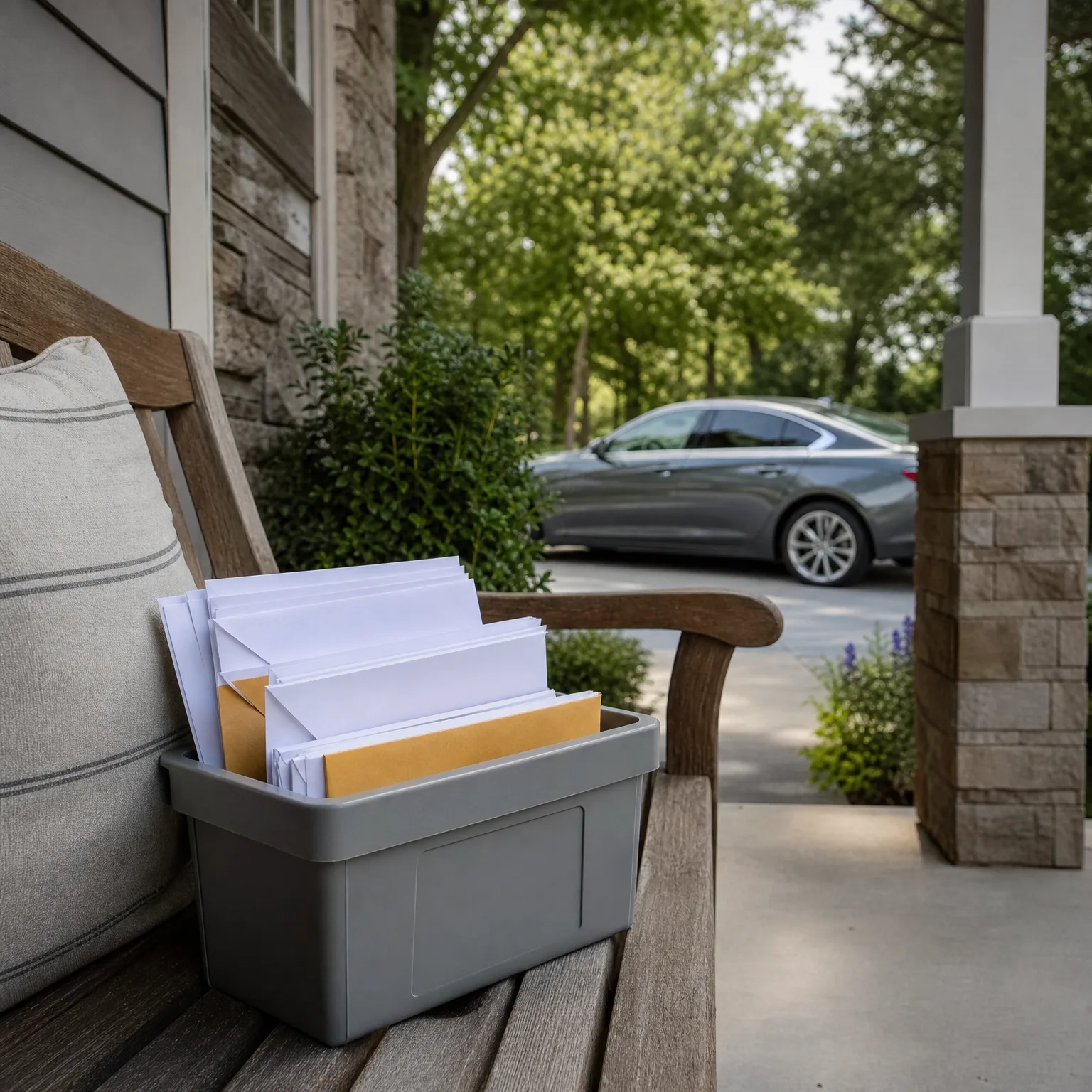
The moments with no traffic around are the ones that catch people out
When there's traffic in both directions, the cars around you do a lot of the work. You follow the flow without thinking much about which side it's on. The dangerous moments are the ones without that cue, an empty intersection early in the morning, a quiet residential street, pulling out of a gas station.
In those moments there's nothing to correct an old habit except your own attention, and attention runs out faster than people expect. A short phrase said out loud at every junction, something as plain as "stay left", sounds unnecessary until it's the thing that stops you drifting into the wrong lane.
Roundabouts deserve separate attention. The direction of travel around them is reversed from what you're used to, and the instinct to look the old way for oncoming traffic is strong. Slow down more than feels necessary the first few times through.
Turning is where the habit shows up hardest, especially a turn onto an empty road. The pull toward the old side happens without any decision behind it. Some drivers find it helps to have a passenger say which side out loud as they turn, at least for the first few days.
Where you sit changes what you misjudge
If you've rented a car with the driver's seat on the other side than you're used to, your sense of where the car ends has shifted along with everything else. You'll likely misjudge the passenger side distance at first, running closer to curbs, mirrors, and parked cars than you mean to.
The pedals and the gearshift may also be arranged differently than you expect, particularly if the car is a manual. Spend a few minutes stationary before you drive anywhere, finding the wipers, the indicators, and the mirrors without looking, because reaching for the wrong stalk at the wrong moment is its own kind of distraction.
Fatigue makes all of this worse. The mental effort of overriding your own habits is real work, even when the road itself is easy, and it adds up faster than ordinary driving fatigue. Plan shorter drives for the first days, and stop before you feel like you need to.
If you're driving a rental, ask the rental company what to do if something happens to the car, since the claims process and who you contact will depend on the country and the company, not on anything general that applies everywhere.
Questions people ask about this
How long does it take to adjust to driving on the left?
It varies by person, but most people find the sharpest adjustment happens in the first few days and smooths out from there. The habit doesn't fully disappear, though, it tends to resurface when you're tired or in an unfamiliar, empty area. Treat the first days as the period where you give yourself the most margin, not just the first drive.
Is it harder to drive on the left if your home country drives on the right?
The adjustment runs the same direction either way, since you're overriding whatever habit you already have. What changes is which specific things trip you up, drivers used to driving on the right often struggle most with roundabouts and with judging the car's left side distance, since both are reversed from what they know.
Does travel insurance cover driving on the left side of the road?
Whether a policy covers you while driving abroad, and under what conditions, depends entirely on the policy and the country. Check your travel insurance documents or ask the insurer directly whether driving is covered, and whether there's anything you need to do beforehand, like holding a specific license or permit.
Do I need an international driving permit to drive on the left abroad?
Whether you need one depends on the country you're driving in and the license you hold, not on which side of the road they drive on. Check the requirements for the specific country before you travel, since some accept a standard license and others require a permit alongside it.
Will my car insurance cover me if I rent a car abroad that drives on the left?
Some car insurance policies extend limited coverage to rental cars, but this depends entirely on your insurer and your specific policy. Ask your insurer directly whether rentals abroad are included, and separately ask the rental company what coverage they offer, since you may need to rely on that instead.
If you're about to rent a car abroad, it's worth checking what your own policy actually covers before you go.
Call your insurer before you travel and ask plainly whether your policy covers you driving a rental car abroad, and if not, what the rental company's coverage includes. Ask about the international driving permit requirement for the specific country you're visiting, since it's set by that country and not something to assume. Spend a few minutes in the parked rental car finding the wipers, indicators, and mirrors before you pull out. Plan your first drive somewhere with light traffic rather than straight into a city center, and keep it short. If you have a passenger, ask them to help by calling out directions at turns and roundabouts for the first few days.