What Does Rental Insurance Not Cover
Rental coverage usually skips your belongings inside the car, certain vehicle types, and anything your own auto policy already excludes.
Rental insurance has real gaps
Rental insurance, whether it's the coverage the rental counter sells you or coverage that comes through your credit card, does not cover everything. It typically leaves out your personal belongings if they're stolen or damaged in the car. It also tends to exclude certain vehicles, like trucks, vans, exotic cars, or anything off road.
What else is excluded depends on which rental coverage you're looking at. The counter's collision damage waiver works differently from your credit card's rental benefit, and both work differently from your own auto policy extending to a rental car. Check the specific terms for whichever one you're relying on.
Which coverage you're using changes what's excluded
If you're relying on your own auto policy to cover a rental car, it only covers what your policy already covers. If your policy doesn't include comprehensive or collision on your own car, it won't suddenly appear for the rental. Liability limits also carry over as they are, so if your limits are low, they stay low in the rental.
Credit card rental coverage is usually secondary, meaning it pays only after your own insurer pays its share, and it often excludes liability entirely, covering just damage to the rental car itself. It can also exclude long rentals, rentals in certain countries, or rentals paid for with points instead of the card.
The rental company's own damage waiver tends to be the broadest for the car itself, but it still won't cover a ticket, towing unrelated to an accident, or loss of use charges the rental company bills you for while the car is being repaired. Ask the counter directly what the waiver excludes before you sign.
If you're driving for a parent or a spouse and the rental is in their name, your coverage may not apply at all. Confirm who the renter is and whose insurance is actually in play before you drive off the lot.
What almost never gets covered no matter which policy you pick
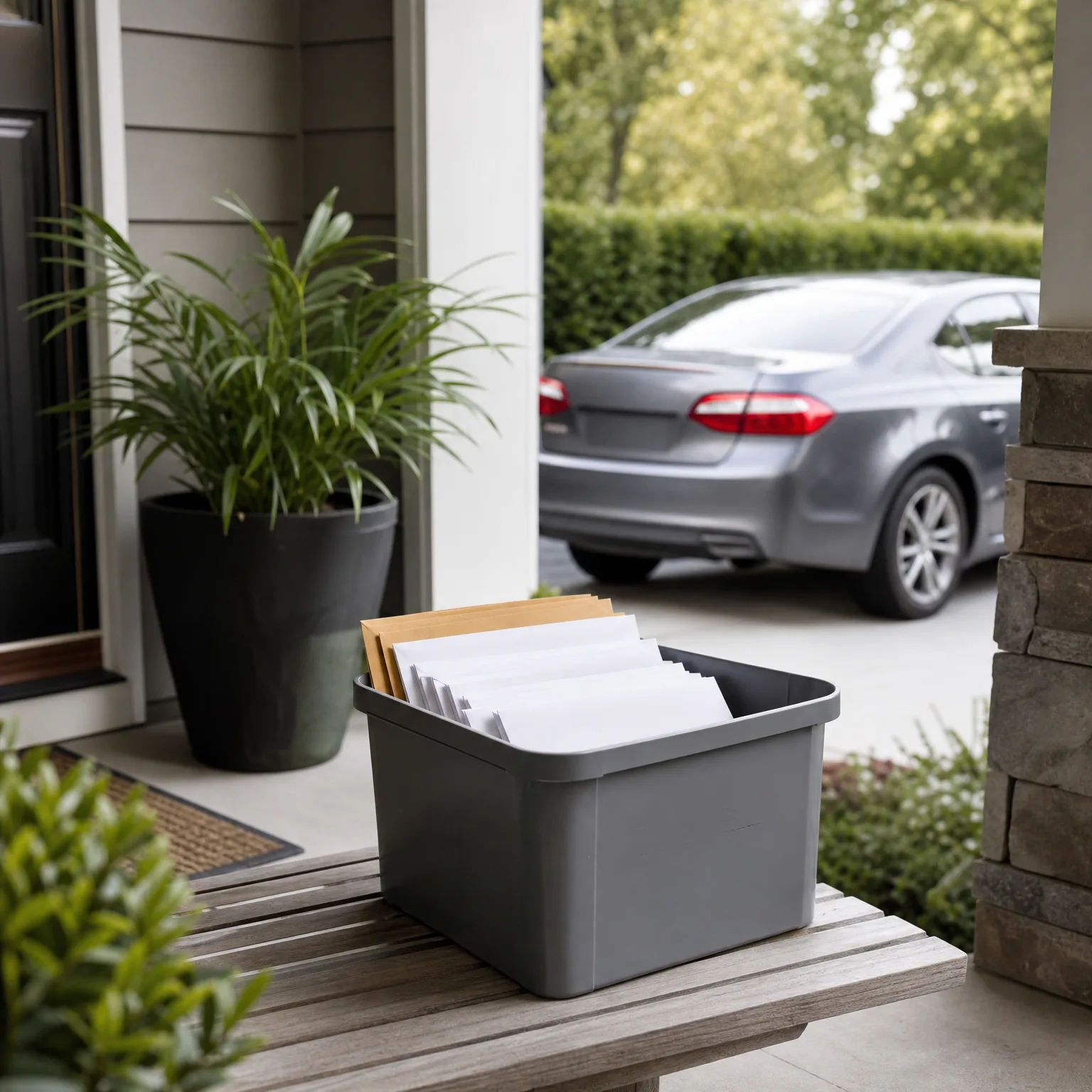
Personal items left in the car, like a laptop, luggage, or a phone, are excluded across nearly every type of rental coverage. That's typically a homeowners or renters insurance claim instead, not an auto one.
Mechanical breakdown is another common exclusion. If the rental car itself fails, that's the rental company's problem to fix, not something your coverage pays toward.
Driving outside the terms of the rental agreement voids coverage regardless of which policy backs it up. That includes letting an unlisted driver take the wheel, driving on unpaved roads if the agreement forbids it, or taking the car across a border it wasn't approved for.
And if you were doing something the rental agreement or your own policy excludes, like using the car for deliveries or ride-share, no layer of coverage is likely to step in. Read the rental agreement itself, not just the insurance summary, since the exclusions often live there.
Questions people ask about this
Does my regular car insurance cover a rental car?
It can, but only up to whatever your own policy already includes. If your policy has comprehensive and collision, those extend to the rental. If it doesn't, they won't. Call your insurer before you rent to confirm what carries over.
Do I need to buy the rental company's insurance if I have my own policy?
Not necessarily, but it depends on how much coverage you're comfortable relying on secondhand. Your own policy or credit card coverage may leave gaps, like loss of use fees or a higher deductible than you'd like. Check what your own coverage actually pays before deciding you don't need the counter's waiver.
What happens if I get in an accident in a rental car with no extra insurance?
Your own auto policy, if you have one, would typically respond first, subject to your normal deductible and limits. If you declined all coverage and have no personal auto policy, you could be personally responsible for the damage. This is worth sorting out before you rent, not after.
Does rental car insurance cover a car I rent in another country?
Often it does not, and this is one of the more common gaps people miss. Many personal auto policies and credit card benefits exclude rentals outside the country, or only cover certain countries. Check with your insurer and your card issuer separately before an international trip.
Will my insurance rate go up if I file a claim for a rental car accident?
It depends on your insurer and whether the claim was filed against your policy at all. If your credit card or the rental company's waiver paid for the damage, your own policy may never be involved. Ask your insurer how a rental claim would be handled before assuming it works like a claim on your own car.
If you're not sure your policy covers a rental car the way you'd expect, it's worth comparing options before your next trip.

Before you rent next, pull up your auto policy's declarations page and check what comprehensive, collision, and liability limits you actually carry. Call your credit card issuer and ask for their rental coverage terms in writing, since the phone benefit described by a rep can differ from the fine print. If you're renting for someone else or being added as a driver, confirm whose policy is primary before you leave the lot. Keep a copy of the rental agreement's exclusions with you, not just the insurance add-on summary. If anything is unclear, ask the rental counter directly what their waiver does not cover, and get the answer before you sign.