Will My Full Coverage Cover a Rental Car
If your own car has full coverage, that same coverage usually follows you into a rental, but it's worth confirming before you sign anything at the counter.
Yes, in most cases, if the policy is still active
If you carry full coverage on your own car, meaning both collision and comprehensive, that coverage typically extends to a rental car used as a temporary replacement. The rental is treated like a car you're driving with permission, and your policy follows you rather than the vehicle you own.
This holds as long as your policy is in good standing and the rental is for personal use, not business. It also depends on your insurer's specific wording, so the safest step is to call them before you rent and ask them to confirm it in plain terms for your policy.
Your policy's wording decides what actually transfers
Not every full coverage policy treats rentals the same way. Some insurers extend collision and comprehensive automatically to a rental car, matching the limits and deductible you have on your own vehicle. Others require you to add a specific endorsement or rider before it applies.
Your deductible also travels with you. If your deductible on your own car is high, that same amount applies if the rental is damaged. This surprises people who assumed a rental meant a clean slate.
What won't transfer automatically is loss of use or diminished value coverage that some rental companies charge for separately. Your auto policy covers damage to the car itself, but the rental company may still bill you for the days the car sat in the shop. Ask your insurer directly whether that gap exists in your policy.
Call the number on your insurance card before you rent, and ask them to put in writing what applies to a rental. A five-minute call settles something that's otherwise a guess.
What people get wrong about rental company coverage
The rental counter will offer you their own collision damage waiver, and it's easy to assume you need it if you already have full coverage. Most of the time you don't, since your own policy already covers the damage. Buying both just means paying twice for the same protection.
Where the rental company's waiver can still be worth it is the loss of use charge mentioned above, since that's the part your auto policy often doesn't touch. Read what the counter waiver actually covers before you decide, rather than assuming it duplicates your policy entirely.
Another common mistake is assuming a credit card's rental coverage works the same way as full coverage from your insurer. Credit card coverage is usually secondary, meaning it only pays after your own policy responds, and some cards require you to decline the rental company's waiver to activate their benefit. Check your card's terms separately rather than relying on memory of what a card used to offer.
Questions people ask about this
Does my rental coverage still apply if I'm driving out of state?
Yes, your policy generally follows you across state lines, since coverage is tied to you and the rental agreement, not to where you physically are. The type of coverage you have, such as collision or comprehensive, doesn't change based on location. If you're renting internationally, that's a different situation, and you should ask your insurer directly since many personal auto policies stop at the border.
Does my full coverage cover a rental if my own car is in the shop?
Yes, this is one of the most common reasons people rent a car, and it's exactly the situation full coverage is meant to extend to. Your policy treats the rental as a temporary stand-in for your own vehicle. If you also have rental reimbursement coverage, that's a separate add-on that pays for the cost of the rental itself, which is worth checking for separately.
What happens if I get in an accident in a rental car?
You report it the same way you would with your own car, by contacting your insurer and the rental company. Your policy's collision and comprehensive coverage responds to the damage, and your deductible applies just as it would normally. The rental company will also want their own accident report, so keep a copy of whatever paperwork they give you at the counter.
Do I need rental car insurance if I have full coverage?
Often not for the damage itself, since your own policy already covers that. What you may still want to consider is coverage for loss of use charges or for liability limits that are lower than you'd like, since your personal liability coverage also extends to the rental. Review your liability limits specifically, since that's the part people most often overlook.
Does using a rental car for work change what's covered?
It can, since personal auto policies are generally written for personal use and may exclude or limit coverage when a vehicle is used for business purposes. If you're renting a car for a work trip or to make deliveries, ask your insurer directly whether that changes anything, since this varies by policy and by insurer.
Compare quotes to see how different insurers handle rental car coverage within your policy.
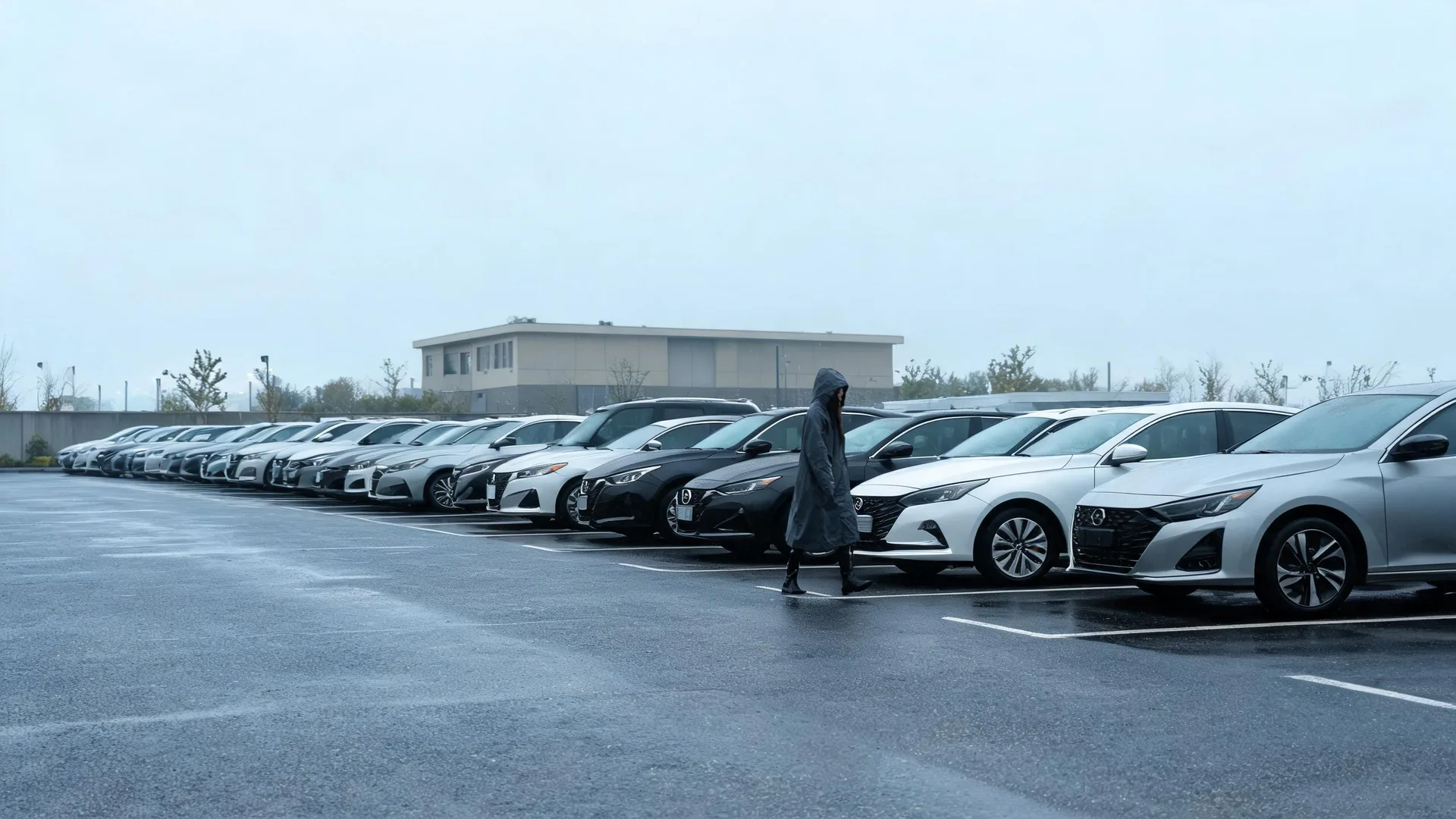
Before you rent, call your insurer and ask two things: whether your collision and comprehensive coverage extends to a rental, and what your deductible would be if the rental were damaged. Have your policy number ready so they can answer specifically rather than in generalities. Ask too about loss of use charges, since that's the piece most people don't think to check. If you're a member of a credit card that advertises rental coverage, pull up the card's benefits guide and read the actual terms rather than relying on what you remember. Once you know what's already covered, you can decide at the counter whether the rental company's own waiver adds anything worth paying for.