How to Avoid Rental Car Scams
Most rental car scams happen at the counter or after you return the car, and knowing what to check at each point protects you from both.
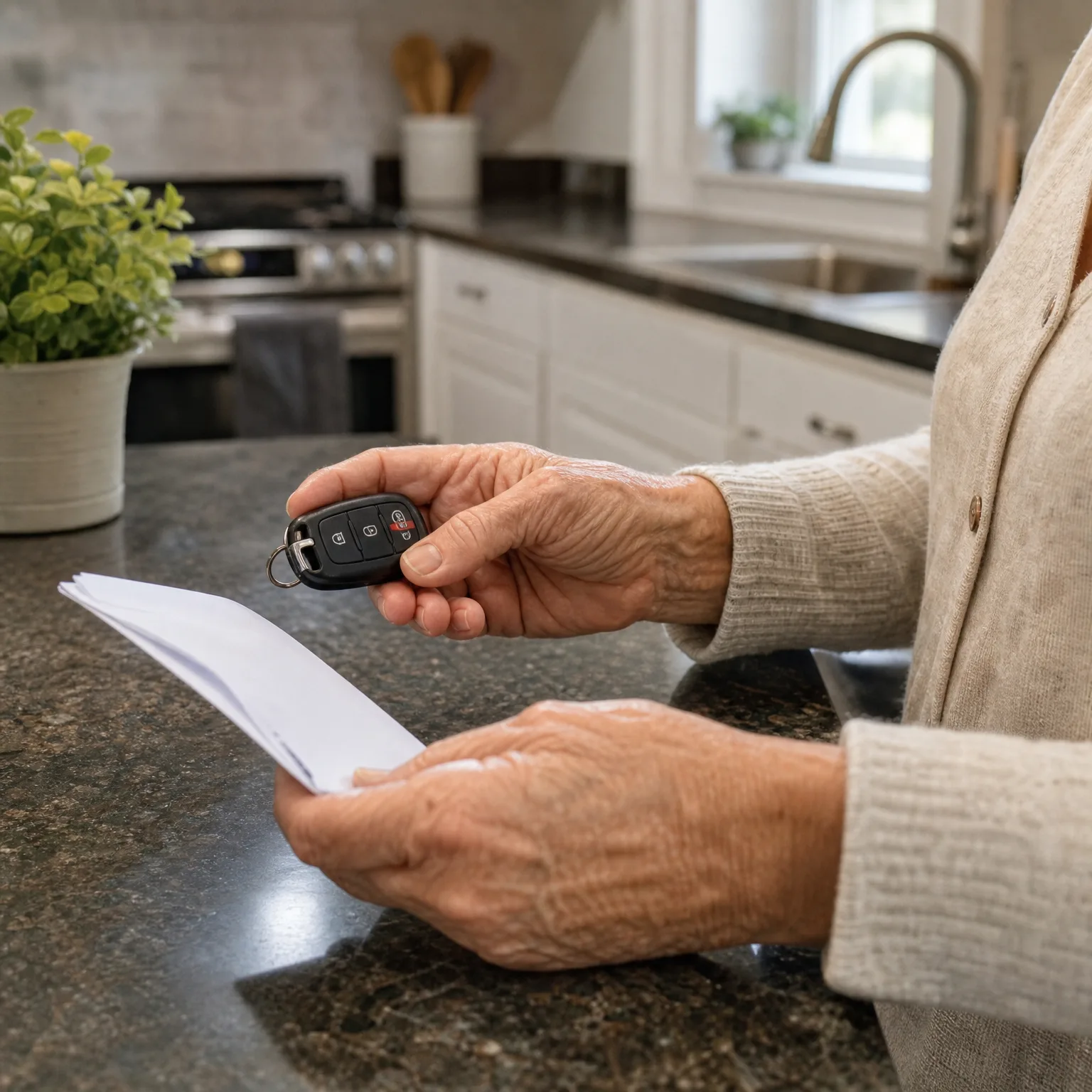
Read what you sign and photograph the car before you drive off
The scams that cost people money almost always start with something they signed without reading or a dent they didn't document. The counter agent pushes insurance you may already have through your own policy or your credit card. The damage inspection, if you skip it, leaves you unable to prove you didn't cause a scratch someone else did.
You can avoid most of this by knowing what your own coverage already includes before you get to the counter, and by walking around the car with your phone out before you take the keys. Neither takes more than a few minutes.
What your own insurance already covers
Before you rent, call your insurer or check your policy for rental car coverage. Many personal auto policies extend some liability and collision coverage to rental cars, which means the counter agent's pitch for extra insurance may be covering ground you've already paid for.
Credit cards often add a layer on top of that, usually for damage to the rental itself, if you decline the rental company's own coverage and pay with that card. The terms vary by card, so check what yours actually promises rather than assuming.
Knowing this before you stand at the counter changes the conversation. You can decline what you don't need without feeling pressured, and you can ask the agent to point to exactly what their policy adds that yours doesn't.
If you're not sure what your policy covers, ask your agent directly before the trip, not after you've already signed something at the rental counter.
What to do at pickup and return
Walk around the car with your phone before you leave the lot. Photograph every side, the wheels, the roof, and the interior, with a timestamp if your phone adds one automatically. Point out any existing damage to the agent and get it noted on the paperwork, not just mentioned out loud.
Some scams work by claiming damage after the fact that was already there or that happened after you returned the car. Your photos are your proof against that. Take a second set when you return the car, showing the same angles and the fuel gauge.
Keep your final receipt and any inspection sign-off until the charge has posted and matched what you expected. If an extra charge shows up later, you have dated photos and paperwork to dispute it rather than your word against theirs.
Watch for pressure to sign quickly or skip the walkaround because of a line behind you. That pressure is often where the scam succeeds, not in the fine print itself.
Questions people ask about this
Can a rental car company charge me for damage I didn't cause?
They can try, which is why documentation matters so much. If you photographed the car at pickup and return, you have evidence to dispute a charge for damage that wasn't yours. Without it, you're relying on the company's own inspection records, which they control.
Is it worth buying the rental company's insurance even if I'm covered elsewhere?
It depends on what your own policy and credit card already cover and what you're comfortable being on the hook for. Some drivers buy it anyway for the simplicity of not filing a claim through their own insurer. Check what your policy covers before deciding, since paying twice for the same protection is the thing to avoid.
What should I do if a rental company bills my card after I returned the car?
Contact the rental company first with your return photos and receipt, since many disputes resolve there once you show documentation. If that doesn't work, you can dispute the charge with your card issuer, who will typically want the same photos and paperwork you already have.
Do I need to pay for a damage waiver on every rental?
Not necessarily, since your own auto policy or credit card may already cover rental damage. Check both before you travel so you're not paying for coverage you don't need. The right answer depends on what you already have, not a blanket rule.
How do I know if a rental car counter is trying to upsell me on things I don't need?
Ask the agent to explain exactly what each add-on covers and compare it to what you already know your policy and card provide. A legitimate add-on should be explainable in plain terms. Pressure to decide fast or bundle several add-ons together is worth slowing down for.
Knowing what your policy already covers is the best protection against paying for coverage twice.
Before your next trip, call your insurer and ask exactly what your policy covers for rental cars, including liability and damage, and get it in writing or by email if you can. Check your credit card's rental benefits the same way, since the terms differ by card and by whether you decline the rental company's own coverage. Pack a working phone charger so you can photograph the car fully at pickup and return. Ask the rental agent to note any existing damage on your paperwork, not just verbally. Keep your receipt and photos until the final charge has posted and matches what you agreed to.