Travel Safety for Senior Drivers
Safe travel for senior drivers comes down to honest self-checks on vision and reaction time, planning trips around when you drive best, and keeping your insurer aware of changes that could affect your coverage.
Safety at this age is about matching how you drive to how you see and react now
There's no single rule that makes travel safer for an older driver. It comes down to a handful of habits: getting vision and hearing checked regularly, avoiding driving when tired or in conditions that strain your reaction time, and choosing routes and times that play to your strengths.
Most of this is within your control. A vision test every year or two catches changes before they become a problem on the road. Driving in daylight, avoiding unfamiliar highways during rush hour, and leaving extra following distance all reduce risk without requiring you to give up driving.
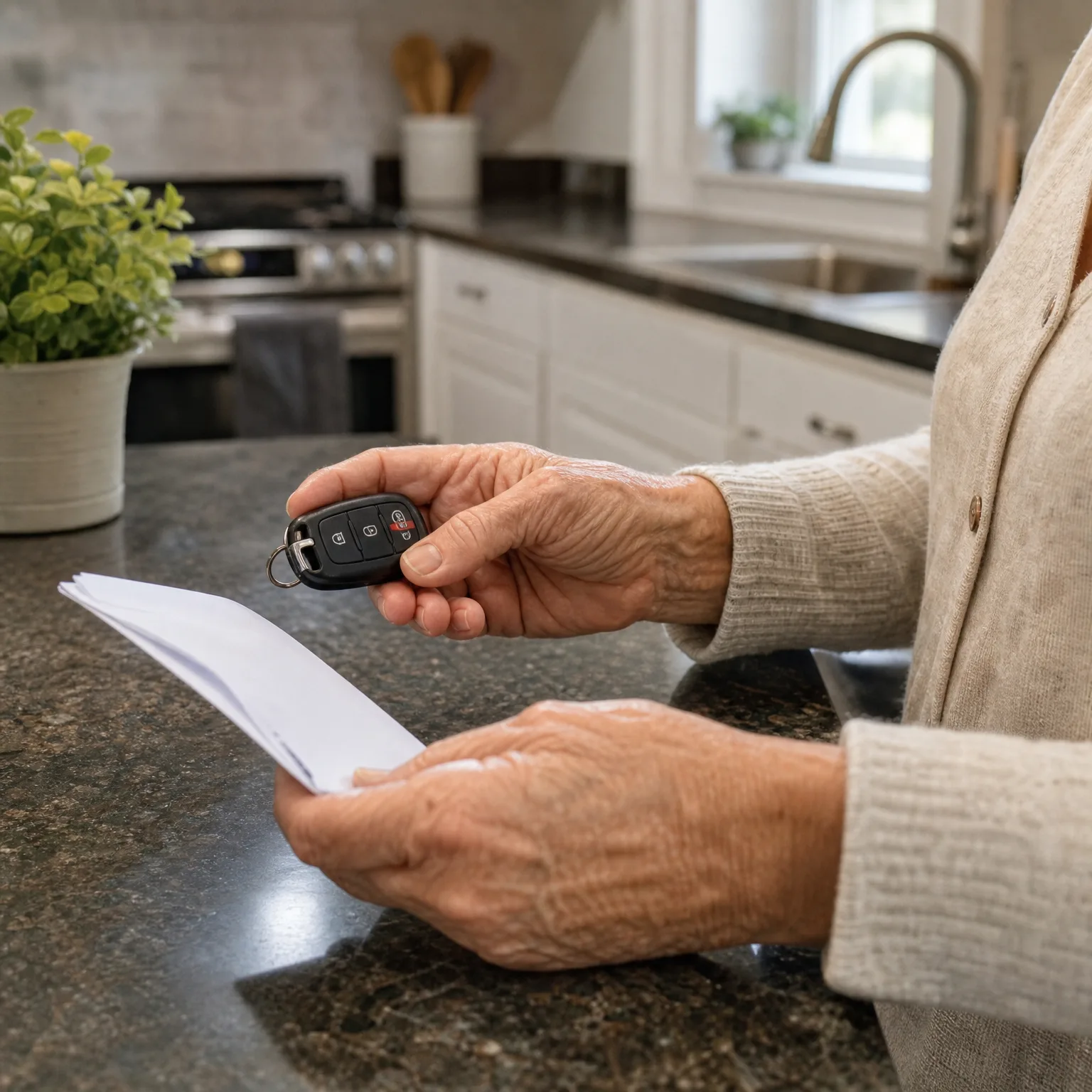
Your vision and reaction time, and how honestly you track them
Eyesight and reaction time change gradually, which makes them easy to underestimate. A yearly eye exam is the most useful thing you can do, because it catches changes in night vision or peripheral vision before they show up as a close call on the road.
If you notice glare bothers you more than it used to, or you find yourself slower to react to a car braking ahead, that's worth mentioning to your doctor, not just adjusting around quietly. Some states require a vision test at renewal once you reach a certain age. Check with your state's DMV to see what applies to you.
Reaction time also drops with certain medications, including some for blood pressure or sleep. If you've started a new prescription, ask your pharmacist whether it affects alertness or reflexes.
None of this means giving up driving. It means being honest with yourself about where you've changed, and adjusting how and when you drive rather than waiting for something to force the issue.

When and where you drive matters as much as how
A lot of senior driving safety comes down to avoiding situations that stack risk on top of risk. Driving at night, in heavy rain, or through unfamiliar interchanges all ask more of your reaction time at once. Avoiding those when you can is a real safety strategy, not a compromise.
Planning routes in advance, even short ones, cuts down on the kind of last-second decisions that cause most close calls. If a GPS unit's small text or fast prompts are hard to follow, a printed route or a passenger who can navigate removes that pressure.
Fatigue is also underestimated. A short drive after a long day asks the same of your attention as a longer one did years ago. Breaking up longer trips, or driving them earlier in the day, is a simple adjustment that lowers risk without changing where you go.
Some drivers find a defensive driving or mature driver safety course worth taking, not just for the content but because many insurers offer a discount for completing one. Ask your insurer directly whether they recognize a course and what they need from you to apply it.
Questions people ask about this
Should I stop driving at night as I get older?
Many older drivers choose to limit night driving because night vision and glare sensitivity change with age. If you notice headlights are harder to judge or road signs take longer to read in the dark, that's a sign to drive less at night rather than wait for an incident. It's a personal decision, not a legal requirement in most places, so it comes down to your own comfort and eyesight.
Does a defensive driving course lower my car insurance?
Some insurers offer a discount for completing an approved defensive driving or mature driver course, but it isn't automatic. You usually have to send the completion certificate to your insurer yourself. Ask your insurer which courses they accept and what they need from you before you sign up.
What medical conditions affect my ability to drive safely as I age?
Vision changes, slower reaction time, and certain medications are the most common factors, but it varies by individual, not by age alone. Conditions like glaucoma, cataracts, or uncontrolled blood sugar can all affect driving safety. Talk to your doctor about whether any current condition or medication affects your alertness or reflexes behind the wheel.
Will my state require me to retest for my license as I get older?
Some states require more frequent renewals, a vision test, or an in-person renewal once a driver reaches a certain age, but this varies widely by state. Check your state's DMV website or call them directly to find out what applies to you specifically.
How do I know when it's time to stop driving altogether?
There's no single sign, but a pattern of near misses, getting lost on familiar routes, or family members expressing concern are worth taking seriously. Many people benefit from an occupational therapist driving evaluation, which gives an objective look at reaction time and decision making behind the wheel. It's worth discussing honestly with family and your doctor rather than deciding alone.
See how your driving habits and any safety course you've taken could affect what you pay for coverage.
Book an eye exam if it's been more than a year, and ask your doctor directly whether any medication you take affects alertness or reaction time. If you're considering a defensive driving or mature driver course, call your insurer first and ask whether they offer a discount for it and what they need from you to apply it. Pull up your state DMV's page on license renewal requirements for your age group so you know what to expect before your next renewal notice arrives. If you've noticed any changes in your night vision or reaction time, start limiting those situations now rather than after a close call.