How to Handle Mountain Driving as a Senior
Mountain roads ask more of your reaction time and your brakes, so the real adjustments are about speed, following distance and knowing your vehicle, not your age alone.
Slower, with more space, works for any age
Mountain driving is harder on everyone because of the grades, the curves and the weather that can change fast. The adjustments that help most are lower speeds on the downhill, more distance behind the car ahead, and using a lower gear instead of riding the brakes. None of that is specific to being a senior driver. It's just what the road demands.
What does change with age is reaction time and how well your eyes adjust to the glare and shadow you get on a mountain pass. That's worth being honest with yourself about. If you notice it takes you longer to react than it used to, the fix isn't to stop driving mountain roads, it's to give yourself more room and more time, and to avoid them at night or in bad weather if you can.
Your vehicle matters more than your age does
A car with good brakes, good tires and a lower gear option handles a mountain grade far better than an older car running on worn tires. Before a trip that involves real elevation change, check your tire tread and your brake pads. If you haven't had either looked at in a while, a mountain road is where it shows up.
If your car has a tow or low gear setting, use it on long descents. It keeps your brakes from overheating, which is the main thing that causes trouble for any driver on a steep grade, not just an older one.
Your insurer doesn't ask what roads you drive, but if you're shopping for a car with mountain driving in mind, all wheel drive and a manual downshift option are worth asking about when you compare vehicles.
What your insurer actually looks at
Insurers don't price your policy based on whether you drive mountain roads. They look at your driving record, your age bracket, and sometimes a vision or driving test if your state requires one at renewal for older drivers. That requirement is set by the state, so check with your DMV or your insurer about what applies to you.
What can affect your premium is a ticket or an accident, and mountain roads are a place where both are more likely if speed or following distance isn't adjusted for the grade. A clean record stays the best way to keep your rate steady, mountain roads or not.
If you've taken a defensive driving or mature driver course, ask your insurer whether it qualifies for a discount and what you need to send them. The course alone usually doesn't change your rate. The certificate does, but only once they have it.
Questions people ask about this
Is it safe for seniors to drive in the mountains alone?
It depends on your own health and comfort behind the wheel more than your age. If you're confident on curves and grades and your reaction time feels normal, driving alone is no different than any other long drive. If you have any doubt, bringing someone along isn't a bad idea, mainly so there's a second set of eyes for navigation and weather changes.
What should I check on my car before a mountain drive?
Check your tire tread, your brake pads and your coolant level before any drive with steep or sustained grades. Worn tires lose grip on curves, and weak brakes overheat faster on long descents. If it's been a while since a service check, do it before the trip, not after you notice a problem on the road.
Does my insurance cover a breakdown on a mountain road?
That depends on your specific policy. Roadside assistance, if you have it, usually covers a breakdown anywhere you're legally driving, including a mountain pass. Check your policy or ask your insurer directly whether towing from a remote area is included, since some policies cap the distance or the cost.
How does altitude affect an older driver's vision or alertness?
Some people feel more fatigued or lightheaded at higher elevations, and that can affect alertness behind the wheel. If you notice this, take more breaks and avoid driving at elevation right after a long flight or a poor night's sleep. It isn't unique to older drivers, but it's worth paying attention to since recovery from fatigue can take longer.
Will a mountain driving course lower my car insurance?
Not directly, and not every insurer offers a discount for one. Some insurers do recognize defensive driving or mature driver courses for a discount, but a course focused specifically on mountain driving isn't standard across insurers. Ask your insurer directly what courses they recognize before you sign up for one expecting a rate change.
If a birthday or a renewal notice has you rethinking your coverage, see what other insurers would charge for the same drives you're already making.
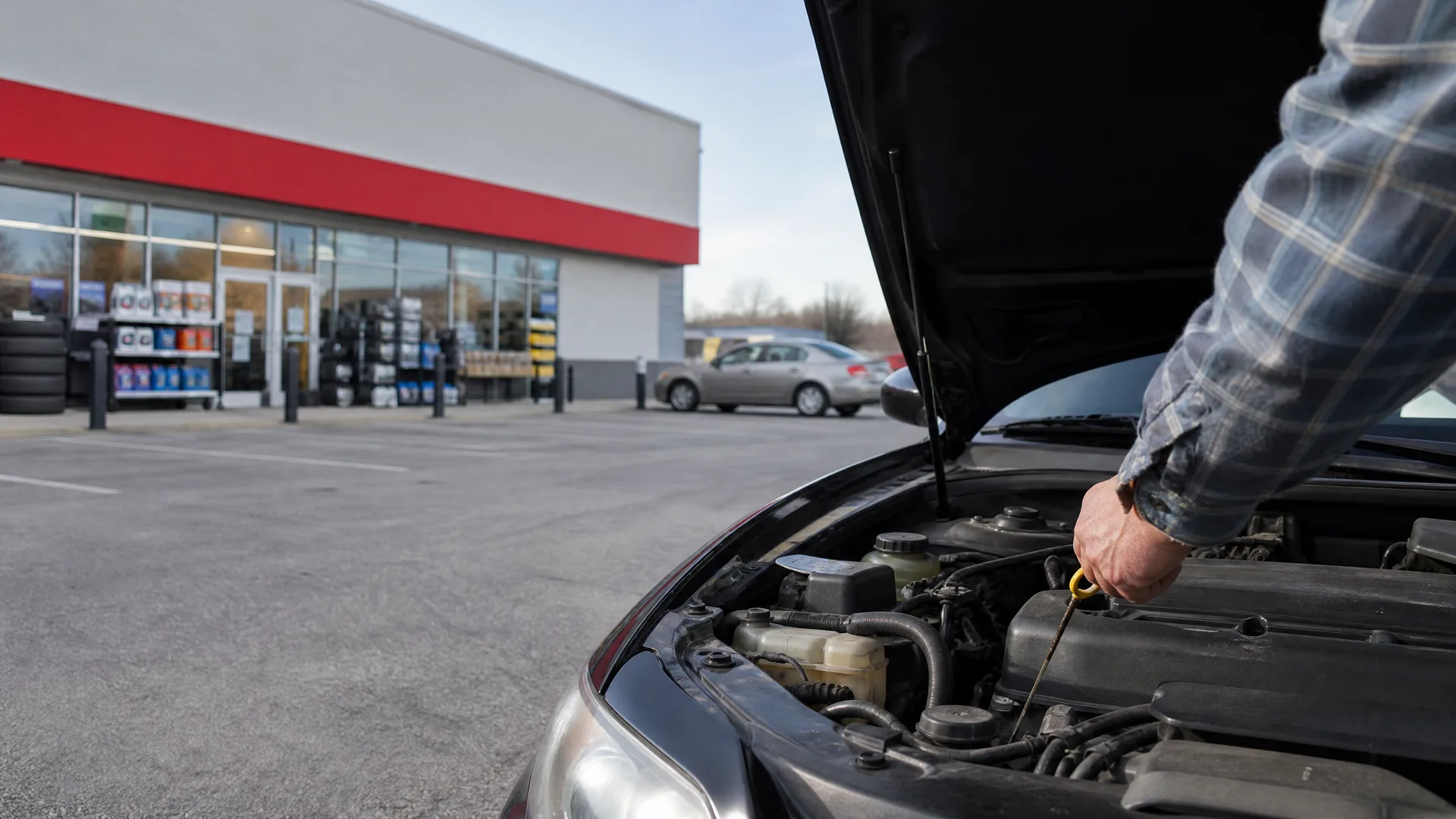
Before your next mountain trip, get your brakes and tires checked rather than waiting for a warning sign on the road. If your state requires a vision or driving test at your age, call your DMV this week to confirm the schedule so it doesn't catch you at renewal time. If you've completed any driving course recently, call your insurer and ask exactly what they need from you to apply a discount, and send it rather than assuming the course alone was enough. Keep your coverage details and roadside assistance number in the glovebox before any long drive through unfamiliar terrain.