What to Check on a Rental Car Before Driving Away
A few minutes walking around the car and reading the agreement can save you a dispute over damage you didn't cause.
Check the car's condition and your coverage before you leave the lot
Walk around the car with the rental agent or on your own, and look for dents, scratches, cracked glass, and worn tires. Open the trunk and check under the car if you can. Anything you find needs to go on the rental agreement in writing, with a photo if possible, before you drive away. If it isn't noted, you can end up responsible for damage that was already there.
The other half of this is knowing what covers you if something happens while you're driving. That depends on your own auto policy, any coverage tied to the card you used to pay, and what the rental company itself offers at the counter. Knowing which of those applies before you leave means you're not deciding it under pressure if something goes wrong.
Your own auto policy may already cover the rental
Many personal auto policies extend some of your coverage to a rental car, including liability and sometimes damage coverage, but this isn't universal and it isn't automatic. Before you rent, call your insurer or check your policy documents to see what carries over and what doesn't.
If your policy only covers liability and not damage to the rental itself, that gap is exactly what the rental company's own damage coverage is for. Knowing which gap you have, if any, tells you whether to accept or decline what the counter offers.
Your age can matter here too. Some policies rate coverage differently for older drivers, and some rental companies have their own rules about renting to drivers above a certain age. If you're not sure how either applies to you, ask directly rather than assuming the usual coverage holds.
If you're renting on someone else's behalf, or a family member is renting for you, check whether the policy covers a listed driver only or anyone with permission to drive the car. This changes who's protected if something happens.
What most people skip on the walk-around
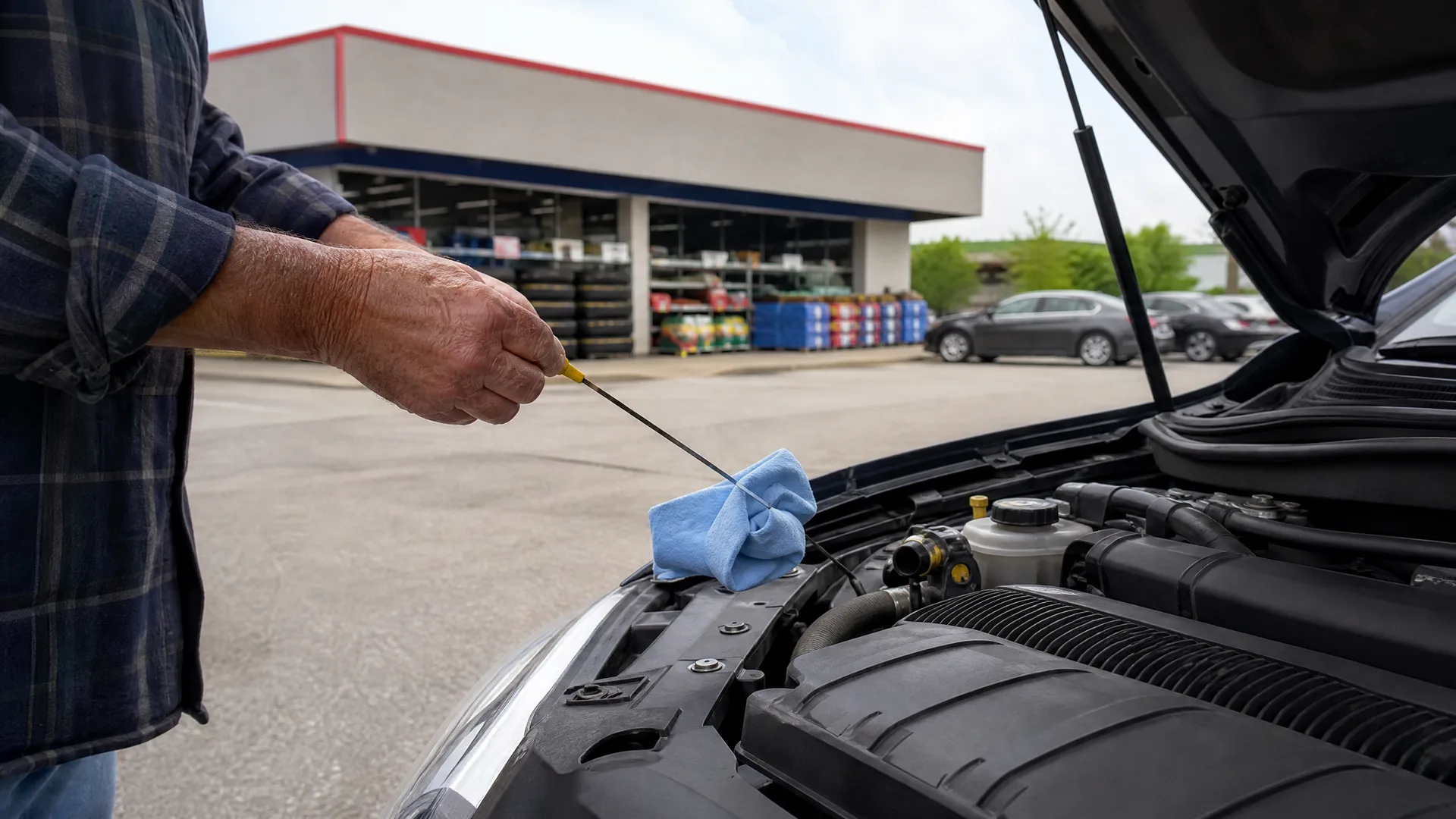
It's easy to check the obvious panels and miss the rest. Look at the windshield for chips, check all four tires including the spare, and test that the lights, wipers, and mirrors work before you leave the lot. A warning light on the dashboard that the agent waves off still needs to be written down.
Take your own photos or video of the car from several angles, with a timestamp, even if the agent does their own inspection. Their documentation protects the rental company. Yours protects you.
Fuel level and mileage are worth noting too, since disputes over these are common and easy to avoid with a photo of the dashboard when you first get in. Keep the rental agreement itself, since it's what you'll need if you have to dispute a charge later.
If anything about the car feels wrong, a smell, a sound, a warning light, ask for a different car rather than assuming it'll be fine. You're not obligated to accept the first one they hand you.
Questions people ask about this
Does my credit card cover rental car insurance?
Some cards offer rental coverage, but the terms vary by card and by issuer, so check with your card company before you rely on it. Ask specifically whether it covers damage, theft, or liability, and whether it's primary or secondary to your own insurance. Secondary coverage only pays after your personal policy does.
Should I buy the rental company's damage waiver?
It depends on what your own policy and any card coverage already provide. If you already have damage coverage through one of those, the waiver may be unnecessary. If you're not sure or your own coverage has a gap, the waiver closes that gap for the length of the rental.
What happens if I return a rental car with new damage I didn't cause?
You can dispute it, but you need your own documentation from before you drove off to do it. This is why photos and a written note on the agreement matter at pickup. Without that record, it can come down to your word against the rental company's inspection.
Can a rental company refuse to rent to an older driver?
Some rental companies set their own age-related rules, and these vary by company and sometimes by location. Ask the rental company directly when you book, rather than assuming your age won't be a factor.
Do I need to tell my insurer before renting a car?
You don't always need to notify them in advance, but it's worth confirming what your policy covers before you're standing at the counter. A quick call ahead of time means you already know your coverage instead of guessing at pickup.
See how your current policy compares before your next rental catches you without an answer.
Before your next rental, call your insurer and ask exactly what your policy covers if the rental car is damaged or someone is injured. Check whether the card you'll pay with offers any rental coverage and what it requires, like declining the rental company's own waiver. At pickup, walk around the car, photograph anything unusual, and get it written on the agreement before you leave the lot. Keep the agreement and your photos until well after you return the car, in case a charge shows up later.