What to Know When Driving to an Unfamiliar Area
Your policy covers you the same way away from home as it does in your own neighborhood, but a few things are worth checking before a long drive.
Your coverage travels with you
Your auto policy follows you and your car, not a particular road or town. If you're insured to drive at home, you're insured to drive somewhere unfamiliar, including another state. The liability limits, the deductible, the people listed on the policy, none of that changes because of where you are.
What can change is what you run into. Different speed limits, different signs, tolls that work differently, roundabouts if you don't have them at home. None of that is a coverage question, it's a driving one. The policy is already set before you leave. What matters more is being rested, knowing the route, and not treating the drive itself as routine just because the paperwork is.
Whether you're crossing state lines
If the unfamiliar area is in another state, your policy still applies there. Every state requires some form of liability coverage, and your policy is built to meet at least the minimum wherever you drive in the country.
What differs by state is the rule of the road, not the insurance rule. Some states allow turns on red that others don't. Some have different rules about using the shoulder, or about who yields where lanes merge. If you're driving somewhere you've never been, it's worth looking up anything unusual about that state's road rules before you go, the same way you'd look up parking rules in a city you've never visited.
If you're renting a car once you get there, that's a separate question from your own policy. Check with your insurer beforehand about whether your policy extends to a rental, and what the rental company's own coverage adds or duplicates.
If you're driving into another country, that's different again. Many policies stop at the border, or cover only a limited distance past it. Ask your insurer directly if the unfamiliar area you're headed to is outside the country.
What an unfamiliar area actually changes
An unfamiliar road doesn't make an accident more or less covered, but it does make one more likely, and that's worth taking seriously on its own terms. Most accidents on unfamiliar roads happen because a driver is looking for a sign, a turn, or an exit instead of looking at traffic.
If you're relying on a phone for directions, set it up before you start driving, not at a red light once you're already moving. Glancing at a map while driving is still distracted driving, and if it leads to a claim, how the accident happened matters more than where it happened.
If the unfamiliar area is rural, or mountainous, or somewhere weather turns quickly, check what your car needs for those conditions before you leave rather than finding out partway there. A spare tire, actual tread on your tires, a full tank are small things that matter more somewhere you can't easily call for help.
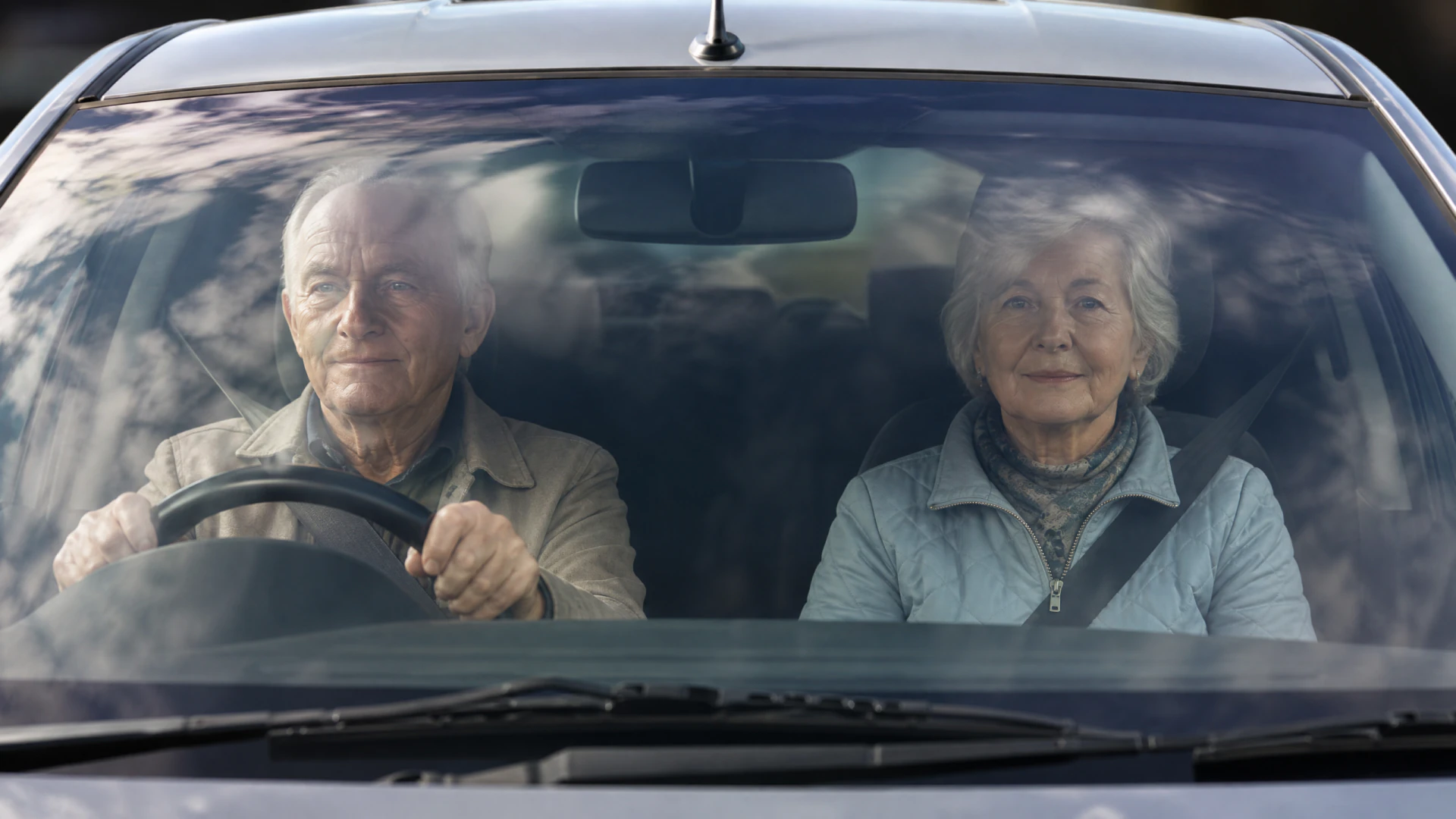
If you're an older driver and night driving or unfamiliar intersections are harder for you specifically, planning the route to arrive before dark, or choosing a route with fewer complicated merges, is a reasonable thing to build into the trip itself.
Questions people ask about this
Does my insurance still work if I get in an accident in another state?
Yes. Your policy applies wherever you drive in the country, and your insurer handles claims the same way regardless of which state the accident happened in. You still report it to your own insurer first, the same as you would at home.
Do I need to tell my insurer before a long road trip?
No, there's no requirement to notify your insurer of a trip itself. The only time to call ahead is if you're renting a car, adding a driver, or driving outside the country, since those can affect what's covered.
What should I check on my car before driving somewhere unfamiliar?
Tire tread, tire pressure including the spare, and fluid levels are worth a look before any longer drive. If the area is remote or the weather is uncertain, it's also worth checking that you have a charged phone, a paper map as backup, and enough fuel to cover stretches without a gas station.
Does GPS or a phone mount count as distracted driving?
Using a phone while it's mounted and set to navigate is generally treated differently from holding it, but how you interact with it while driving still matters. Set your route before you start moving, and check your state's specific rules on phone use while driving if you're unsure.
Is a rental car covered by my regular auto policy?
It depends on your policy and your insurer. Some auto policies extend liability and other coverages to rental cars, others don't, and rental companies sell their own coverage on top of that. Ask your insurer directly what your policy does and doesn't cover before you rent.
If an unfamiliar trip has you wondering whether your coverage is still a good fit, it's worth comparing what's out there.
Before you go, pull up your policy and check your liability limits and whether you have roadside assistance, since that matters more away from home than it does in your own neighborhood. If you're renting a car or crossing into another country, call your insurer this week and ask directly what applies. Look up anything unusual about the destination state's road rules, especially if it's known for something your home state doesn't have, like roundabouts or different turn signals. Plan your route to avoid arriving after dark if night driving is harder for you. None of this changes your coverage, but it's the part that's actually in your control before you leave.