How to Keep Valuables Safe in a Rental Car
Keep valuables out of sight and out of the car when you can, because most insurance won't replace what's stolen from inside it.
Out of sight is the start, not the whole plan
Lock valuables in the trunk before you arrive somewhere, not after you park. Anyone watching you get out of a rental sees the same thing you do, a stranger with out of town plates, and a trunk that was loaded in front of them is a trunk they already know about.
Your car insurance almost never covers items stolen from the car. It covers the car itself. What covers your laptop, your camera, your luggage is usually your homeowners or renters policy, or the credit card you used to book the rental. Check which one applies before you travel, not after something is gone.
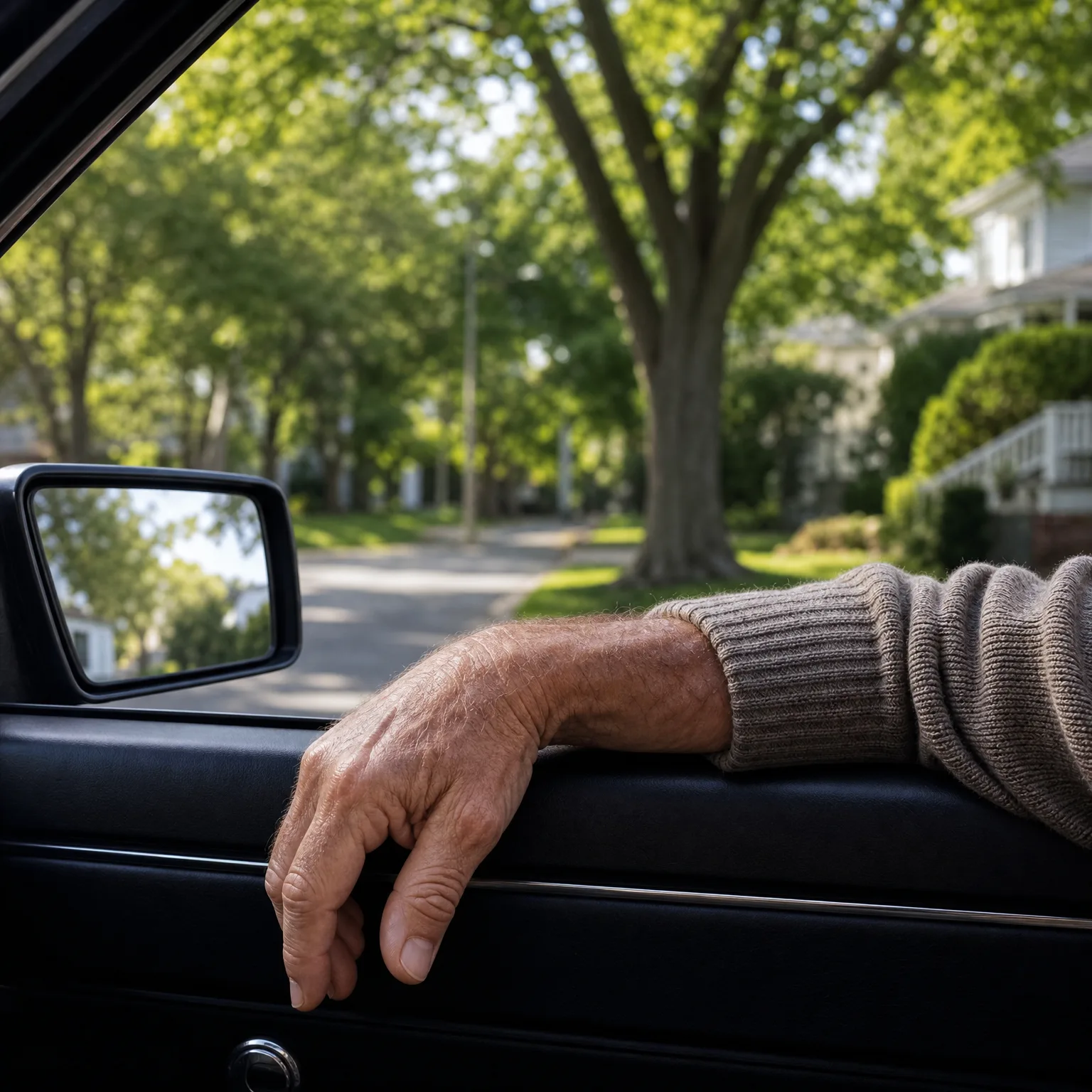
Your own policy decides what's actually covered
A rental car's insurance, whether you bought it from the counter or it came with your credit card, protects the vehicle. It pays for damage or theft of the car itself. It does not pay to replace your sunglasses, your phone charger, or the bag you left on the back seat.
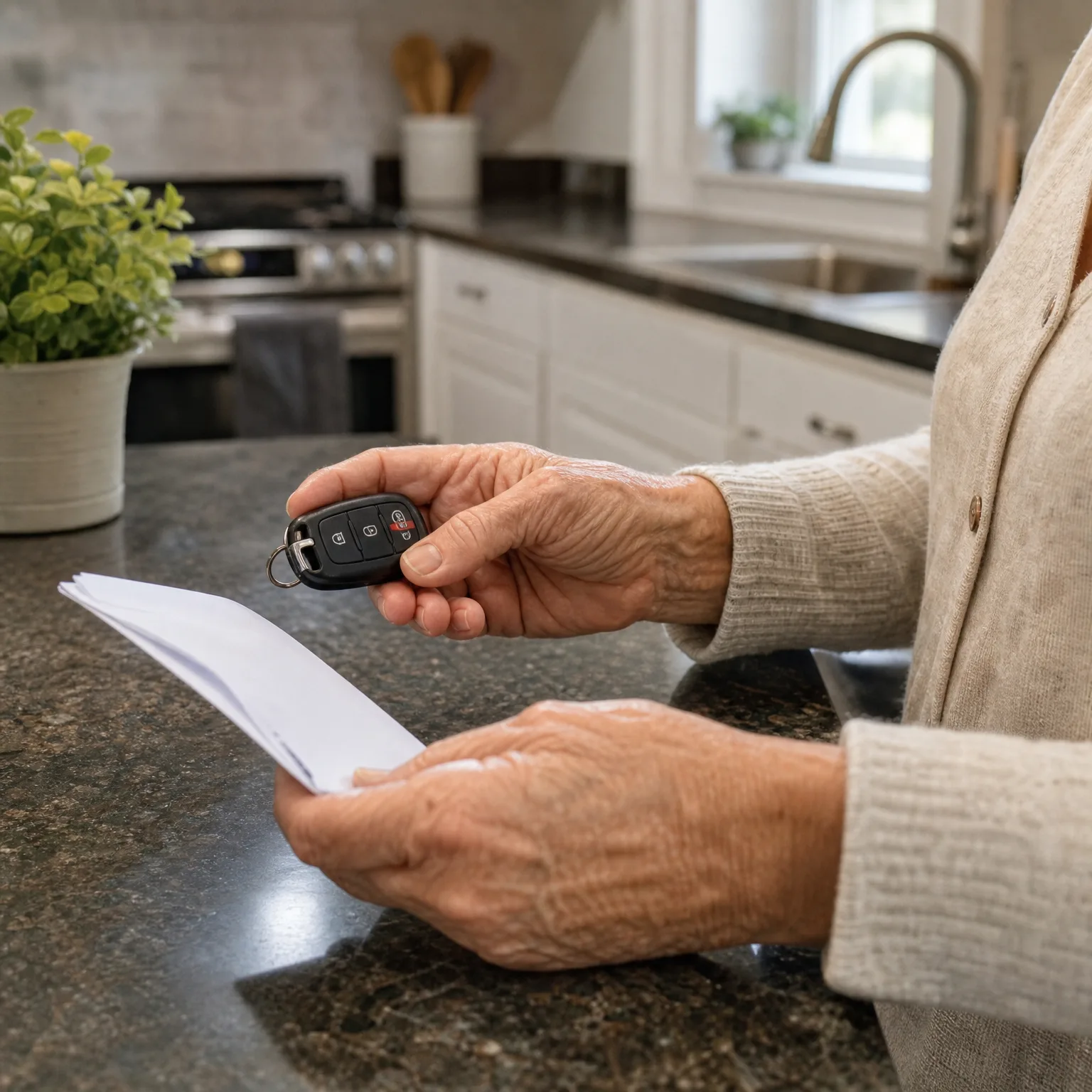
What replaces stolen personal items is usually your homeowners or renters insurance, which often covers belongings away from home, including in a car. Some credit cards add a layer on top of that for things bought with the card. Call your insurer or read your policy's declarations page before the trip so you know the limit and the deductible, rather than finding out while filing a claim.
If you don't carry homeowners or renters insurance, nothing is replacing those items except you. That changes what's worth bringing in the first place.
What people get wrong about hiding things in the car
The trunk is safer than the seat, but it isn't a safe. Someone who sees you pack it will still try it. The real protection is not having valuables sit in the car at all once you've stopped moving, even in the trunk.
A car that's obviously a rental, especially one still carrying a rental company's lot sticker or a trunk full of luggage, draws more attention than one that looks lived in. Take the sticker off if there is one. Keep the back seat and footwells clear so there's nothing visible through the glass.
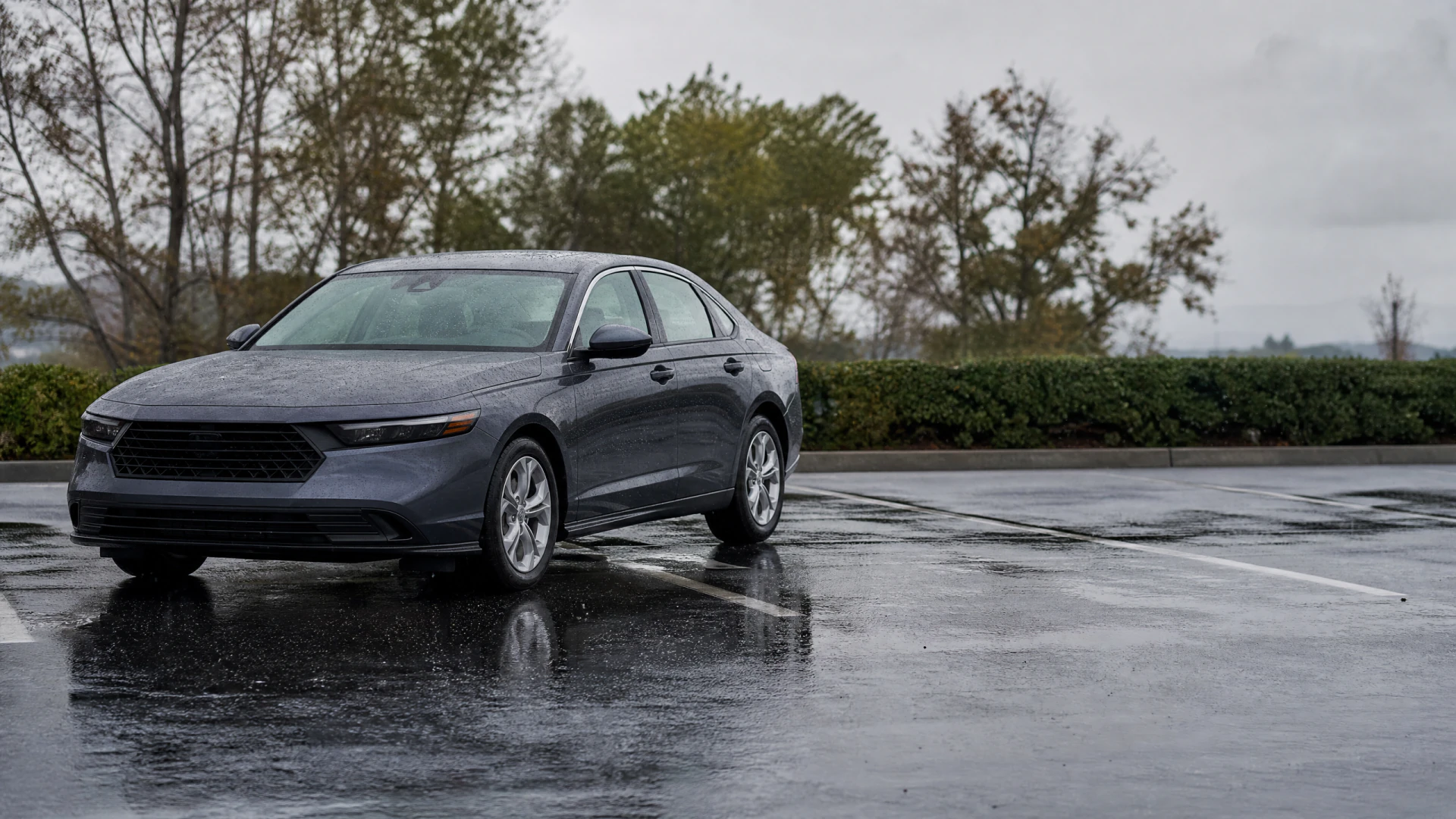
At night, in a hotel lot or anywhere unfamiliar, it's worth carrying anything valuable inside with you rather than leaving it locked in the car until morning. A locked door stops a casual look, not a broken window.
Questions people ask about this
Does travel insurance cover stolen items from a rental car?
Some travel insurance policies do cover personal belongings stolen while traveling, including from a rental car, but it depends on the policy. Read what's listed under baggage or personal property coverage before you buy one, and check the deductible against what you'd actually be carrying.
Will the rental company replace what was stolen from the car?
No, a rental car company insures the vehicle, not your belongings inside it. They may file a report for you if you ask, but replacing stolen items isn't part of what they cover under any plan they sell at the counter.
Should I report a theft from a rental car to the police?
Yes, file a police report as soon as you notice the theft. Most homeowners, renters, or credit card claims for stolen property ask for a police report number, so filing one is often a required step, not an optional one.
Does my credit card cover theft from a rental car if I used it to pay?
Some cards include protection for personal items purchased with that card, even if the theft happened in a rental car, but the coverage and its limits vary by card issuer. Call the number on the back of the card or check the cardholder agreement before you travel.
Is it safer to use a rental car's trunk or bring valuables inside at night?
Bringing valuables inside at night is safer than leaving them in the trunk. A parked car sitting still for hours gives someone time to work on it unnoticed, especially in a lot that isn't well lit or watched.
If a stolen laptop or bag would be a real loss, it's worth knowing which of your policies would actually replace it.
Before you pick up the rental, check your homeowners or renters policy for a line about personal property away from home, and note the deductible. Call the number on your credit card to ask what it covers for purchases, since some cards replace stolen items the way the rental company won't. Pack light enough that nothing valuable needs to ride in the car unattended, and if something does, load the trunk before you reach your destination rather than in the parking lot. Keep a rental company's lot sticker off the car if you can remove it. If something is stolen anyway, file a police report right away since most claims will ask for one.